Choosing the Right Area Rug for Your Living Room
Understanding the Importance of Choosing the Right Area Rug
An area rug is more than just a decorative accessory—it’s a design investment that impacts the entire feel of your living room. The right rug can define conversation areas, add warmth and texture, reduce noise, and protect your flooring. Conversely, the wrong choice can make a room feel disjointed, cramped, or awkward. When choosing the right area rug, you’re essentially selecting the foundation upon which your entire room design will rest. This decision affects traffic flow, visual balance, and the overall comfort of your space.
The process involves balancing multiple factors including your room’s dimensions, existing furniture, color palette, lifestyle needs, and personal style preferences. A well-chosen rug seamlessly integrates with your decor while making a statement that reflects your taste.
How to Determine What Size Area Rug for Living Room
Size is arguably the most critical factor when selecting an area rug. Many homeowners make the mistake of choosing a rug that’s too small, which can make furniture appear disconnected and the room feel fragmented. Understanding proper rug sizing creates visual harmony and helps define your living space effectively.
Standard Living Room Rug Sizes
Area rugs come in standard sizes that work for most living room configurations:
- 5×8 feet: Suitable for small apartments or accent areas
- 6×9 feet: Works in compact living rooms or under coffee tables
- 8×10 feet: The most popular size for average living rooms
- 9×12 feet: Ideal for larger living spaces
- 10×14 feet: Perfect for expansive, open-concept rooms
8×10 Rug Placement in Living Room
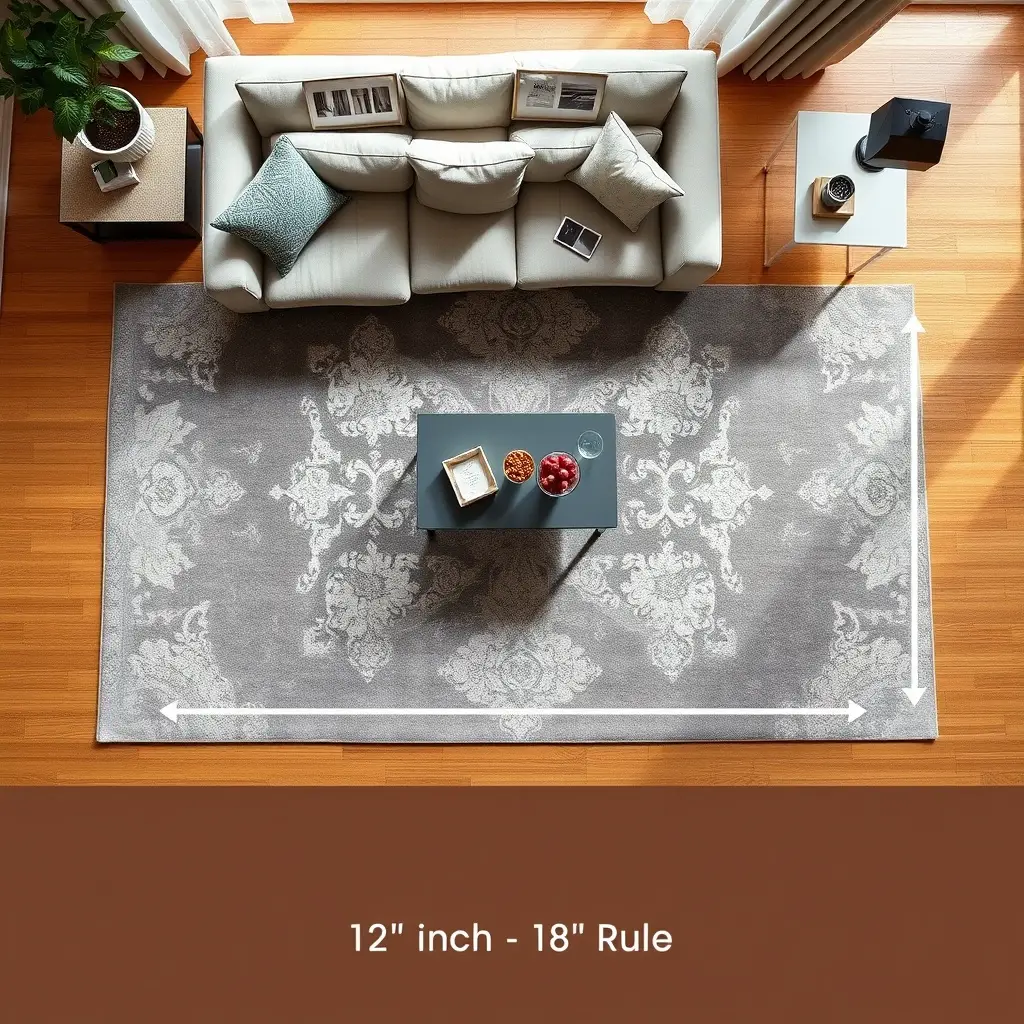
An 8×10 rug is the go-to size for most standard living rooms, typically measuring 12×18 feet or larger. This size allows you to place all front furniture legs on the rug while leaving a border of flooring visible around the perimeter. For optimal placement, position the rug so that your sofa and chairs have at least their front legs resting on it, creating a unified seating arrangement. The coffee table should sit entirely on the rug, centered within the seating area.
When working with an 8×10 rug, ensure there’s approximately 10-20 inches of exposed flooring between the rug edge and the walls. This creates a frame effect that makes the room appear larger and more intentional.
Measuring Your Space
Before shopping, measure your living room and furniture arrangement carefully. Use painter’s tape to outline potential rug dimensions on your floor. This visualization helps you see how different sizes will work with your furniture and traffic patterns. Walk around the taped outline to ensure the rug won’t interfere with doorways or create tripping hazards.
Rug Under Couch Rules: Proper Placement Guidelines
Proper rug placement under your couch and other furniture creates cohesion and prevents your living room from looking like furniture is floating aimlessly. Following established rug under couch rules ensures your space looks professionally designed.
The Three Main Placement Approaches
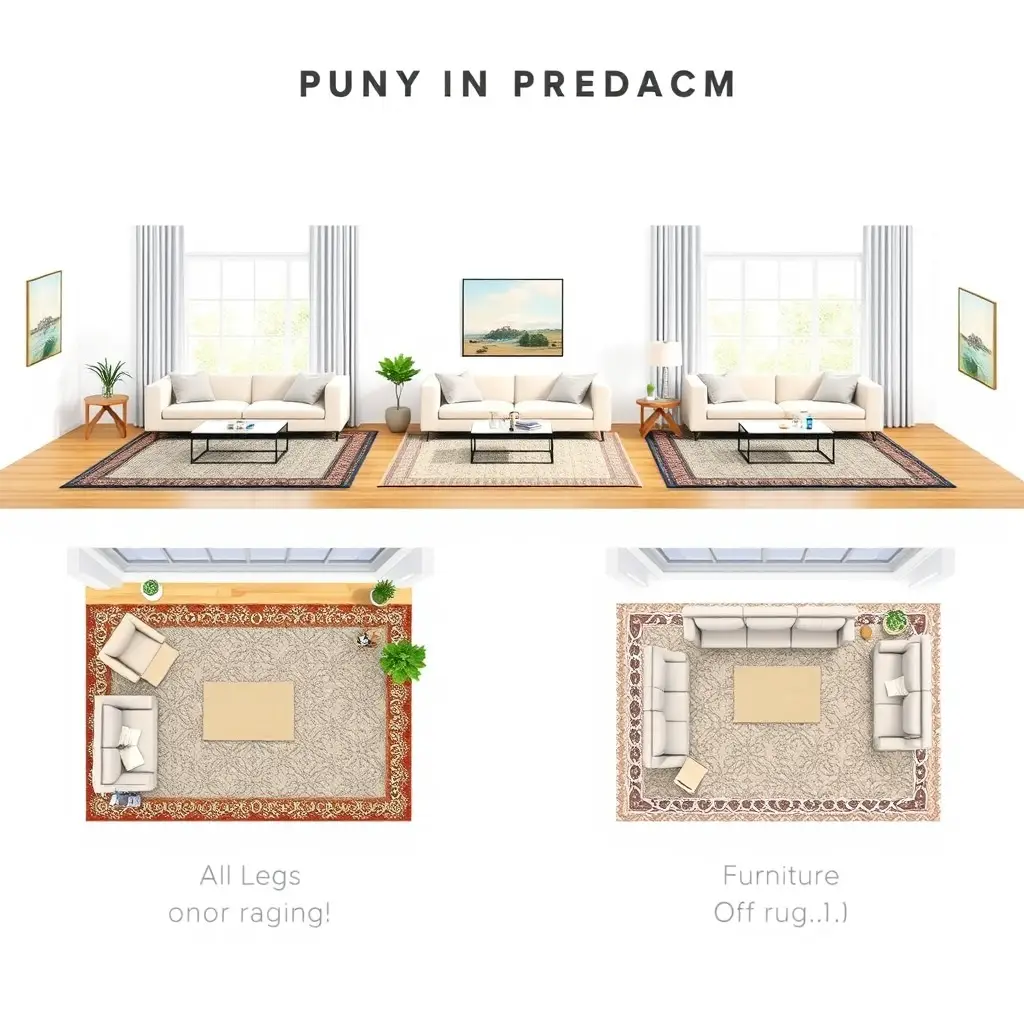
All Furniture On: The most luxurious option places all furniture pieces—sofa, chairs, and tables—entirely on the rug. This works best in larger rooms with bigger rugs (9×12 or larger) and creates a unified, anchored look.
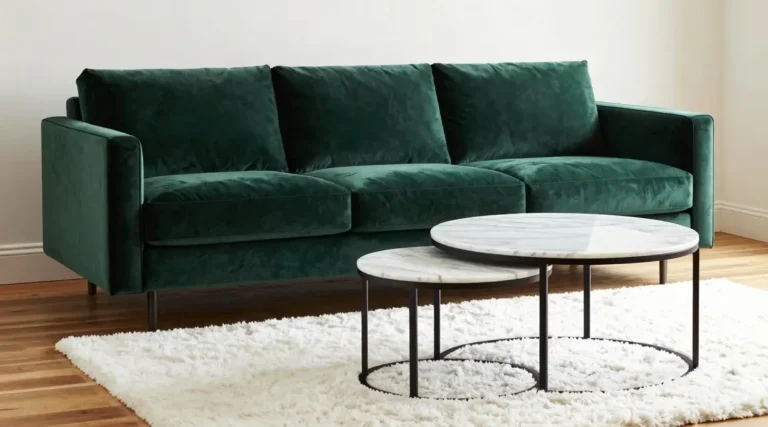
Front Legs On: The most popular and versatile approach positions the front legs of sofas and chairs on the rug while back legs rest on the floor. This technique works with 8×10 rugs in most standard living rooms and balances cost with visual impact.
All Furniture Off: In this arrangement, the rug sits in front of the furniture, typically under just the coffee table. This works only in very small spaces or as an accent under a specific furniture grouping, but generally isn’t recommended for main living room rugs as it can make the space feel disconnected.
Rug in Living Room Placement: Room Configuration Tips
The layout of your living room significantly influences optimal rug placement. Consider architectural features, traffic patterns, and focal points when positioning your rug.
Rug Placement Living Room with Fireplace
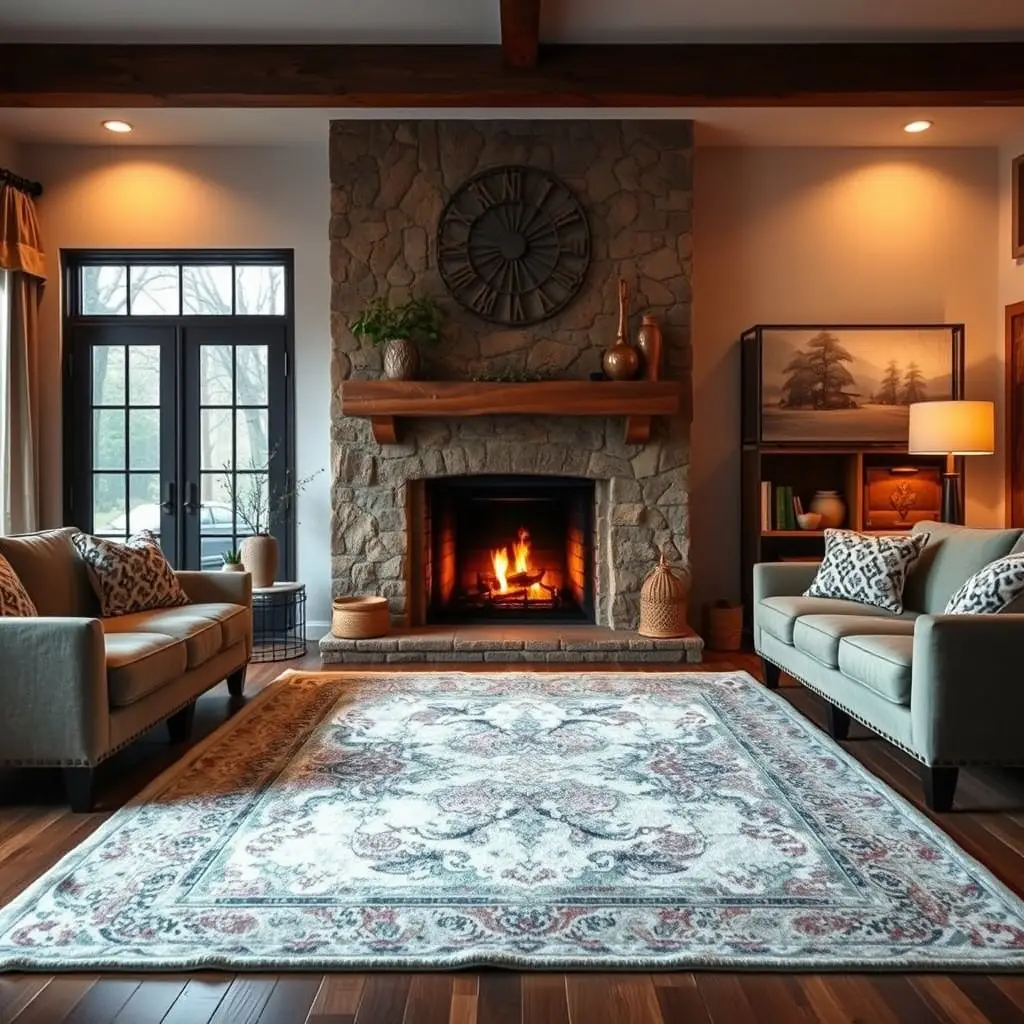
When your living room features a fireplace, it typically serves as the room’s focal point. Position your rug to complement this feature by centering the seating arrangement around both the fireplace and the rug. The rug should sit in front of the hearth, with furniture arranged on top to create a conversation area facing the fireplace.
Maintain at least 6-8 inches of clearance between the rug edge and the fireplace hearth for safety and visual balance. If you have a large room with multiple seating areas, you might use two rugs—one defining the fireplace conversation area and another for a secondary seating space.
Open Concept Spaces
In open-plan homes, rugs become essential zone-defining tools. Use your area rug to delineate the living room from adjacent dining or kitchen areas. The rug should encompass the entire seating group without extending into other functional zones.
Asymmetrical Rooms
For living rooms with unusual shapes or angles, center your rug on the main seating area rather than trying to center it in the room. The rug should follow furniture placement, creating a logical and comfortable arrangement even if it sits off-center relative to the room’s walls.
How to Pick a Rug Color for Living Room
Color selection can feel overwhelming, but approaching it systematically makes the process manageable. Your rug’s color influences the room’s mood, perceived size, and how well other design elements work together.
Considering Your Existing Palette
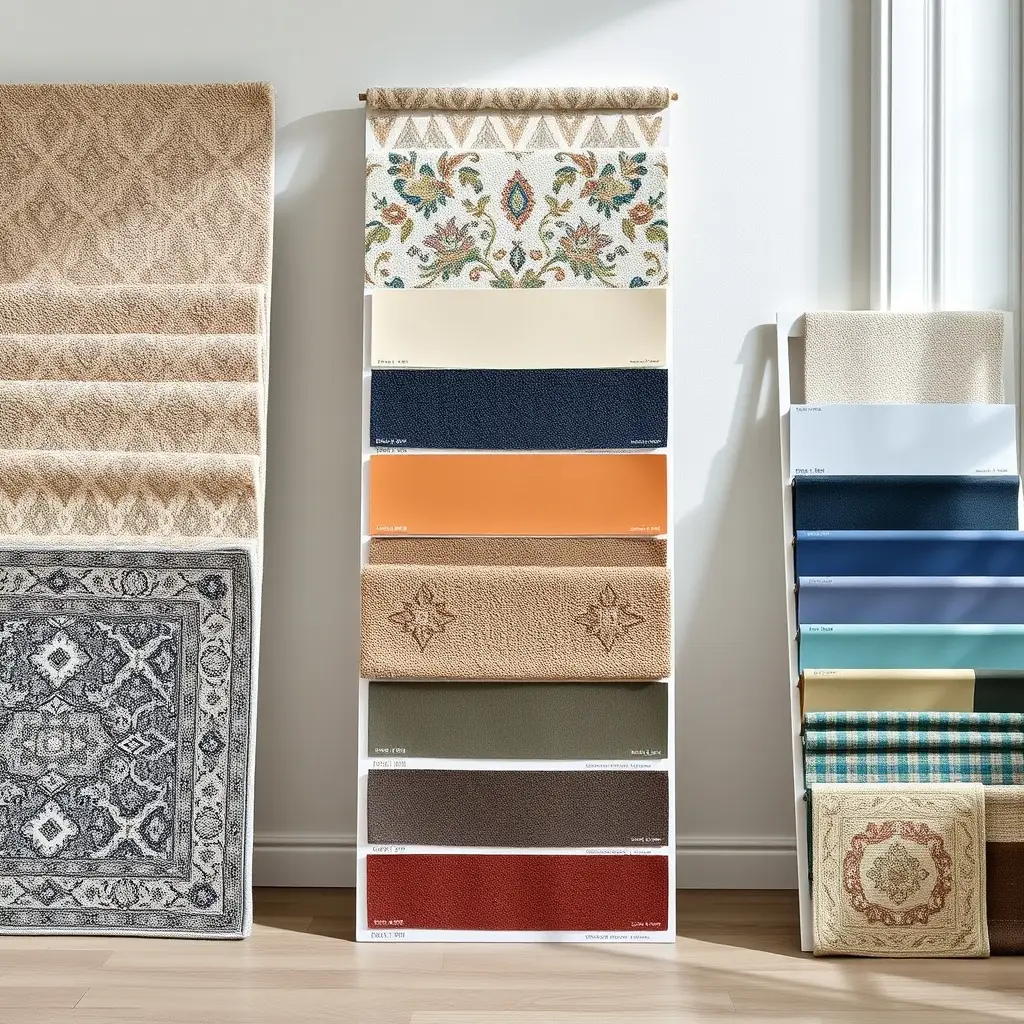
Start by assessing your living room’s current colors—walls, furniture, curtains, and accessories. Your rug should either complement these colors or provide intentional contrast. Pull colors from existing elements in the room: pick up accent colors from throw pillows, artwork, or decorative objects to create cohesion.
Light vs. Dark Rugs
Light-colored rugs in cream, beige, or soft gray make rooms feel larger and airier. They work beautifully in smaller living rooms or spaces with limited natural light. However, they require more maintenance and show stains more readily, making them less ideal for high-traffic households or homes with children and pets.
Dark rugs in charcoal, navy, or deep brown add sophistication and hide dirt better. They ground a space and work well in larger rooms that might otherwise feel cavernous. Dark rugs can make small rooms feel smaller, so use them judiciously in compact spaces.
How to Choose the Right Rug Color
When choosing the right rug color, consider these strategies:
- Neutral Foundation: Opt for neutral rugs in beige, gray, or cream as a versatile base that allows you to change accent colors seasonally
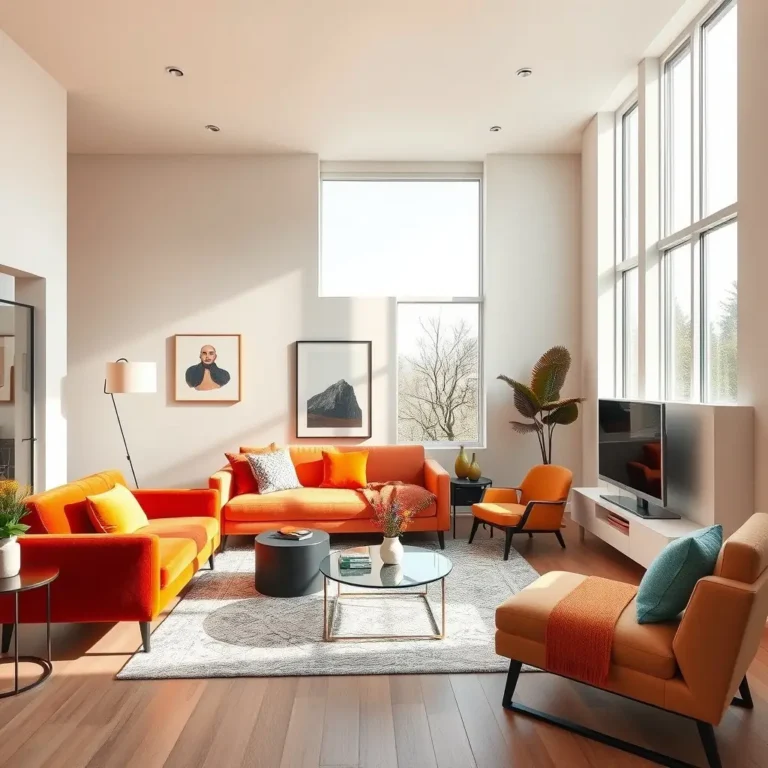
- Bold Statement: Choose a vibrant rug in jewel tones or rich hues to serve as the room’s focal point
- Pattern Play: Select a patterned rug that incorporates multiple colors from your room, creating visual interest while tying elements together
- Monochromatic Scheme: Use varying shades of the same color for a sophisticated, cohesive look
- Complementary Contrast: Pick colors opposite your main palette on the color wheel for dynamic energy
What Color Rug Should I Get Quiz Considerations
If you’re still uncertain about color selection, ask yourself these questions:
- What mood do you want to create? (Calm and serene vs. energetic and bold)
- How much natural light does your room receive?
- What is your maintenance tolerance?
- Do you plan to keep this rug long-term or change it seasonally?
- What colors appear in your existing furniture and decor?
- Do you prefer the rug to blend in or stand out?
Your answers will guide you toward the right color family for your space and lifestyle.
Material Matters: Selecting the Right Rug Fiber
The material you choose affects durability, feel, maintenance requirements, and price. Each fiber type offers distinct advantages and considerations.
Wool Rugs
Wool remains the gold standard for area rugs. This natural fiber is durable, naturally stain-resistant, soft underfoot, and ages beautifully. Wool rugs work excellently in living rooms, handling moderate to high traffic while maintaining appearance. They’re naturally flame-resistant and provide excellent insulation. The primary drawbacks are higher cost and potential for shedding initially.
Cotton Rugs
Cotton offers an affordable, casual option that’s machine-washable (in smaller sizes). These rugs work well in low-traffic living rooms or as layering pieces. However, cotton lacks the durability of wool and may show wear more quickly in high-traffic areas.
Synthetic Rugs
Polypropylene, polyester, and nylon rugs provide budget-friendly alternatives with good stain resistance. Modern synthetic rugs often mimic the look of natural fibers convincingly. They’re ideal for families with children or pets due to easy cleaning and durability. However, they lack the luxurious feel and longevity of natural fibers.
Natural Fiber Rugs
Jute, sisal, and seagrass rugs add organic texture and work beautifully in casual, coastal, or bohemian spaces. These eco-friendly options are durable but can feel rough underfoot and are susceptible to staining. They’re best suited for low-traffic areas or layered under softer rugs.
Silk and Viscose
These luxurious materials create stunning visual impact with their sheen and softness. However, they’re delicate and best reserved for formal living rooms with minimal traffic. Consider silk blend rugs for better durability while maintaining elegance.

Pattern and Style Selection
Patterns add personality, visual interest, and can cleverly disguise wear and stains. Selecting the right pattern involves balancing your existing decor with your desired aesthetic.
Pattern Scale
Large-scale patterns work best in spacious rooms where they can be appreciated from a distance. They make bold statements and can serve as the room’s focal point. Small-scale patterns suit smaller rooms and create visual texture without overwhelming the space. Medium-scale patterns offer versatility, working in most room sizes.
Pattern Styles
- Geometric: Modern, clean-lined patterns including chevrons, hexagons, and stripes that complement contemporary spaces
- Traditional: Oriental, Persian, and medallion patterns that add classic elegance
- Abstract: Artistic, free-form designs that add contemporary flair
- Floral: Botanical motifs ranging from subtle to bold that soften spaces
- Solid: No pattern, allowing texture and color to take center stage
Coordinating with Existing Decor
If your living room features patterned furniture or busy wallpaper, choose a solid or subtly patterned rug to avoid visual chaos. Conversely, if your space feels bland with mostly solid furniture, a patterned rug adds much-needed interest. The rug pattern should share at least one or two colors with other room elements to create harmony.
How to Pick the Right Rug for Your Living Room: Lifestyle Considerations
When picking the right rug for your living room, practical considerations ensure your choice remains beautiful and functional for years to come.
Traffic Levels
High-traffic living rooms require durable, tightly woven rugs in materials like wool or quality synthetics. Low-pile rugs withstand heavy use better than high-pile options. Darker colors and patterned designs hide dirt and wear more effectively than light, solid rugs.
Pets and Children
Households with kids or pets benefit from stain-resistant, easy-to-clean materials like polypropylene or treated wool. Avoid delicate fibers like silk or viscose. Patterns and medium-toned colors camouflage inevitable accidents better than pristine white or solid dark rugs.
Allergies and Health
Natural fiber rugs like wool naturally resist dust mites and allergens. Low-pile rugs accumulate less dust and are easier to vacuum thoroughly than high-pile options. Some synthetic rugs are treated with anti-allergen solutions.
Maintenance Requirements
Consider how much time you’re willing to invest in rug care. Wool requires professional cleaning but handles spot-cleaning well. Synthetics often tolerate machine washing or steam cleaning. Natural fibers like jute resist stains poorly and require gentle care.
How to Match a Rug to Your Living Room: Creating Cohesion
Matching a rug to your living room involves more than color coordination—it requires considering style, scale, and the overall design story you’re telling.
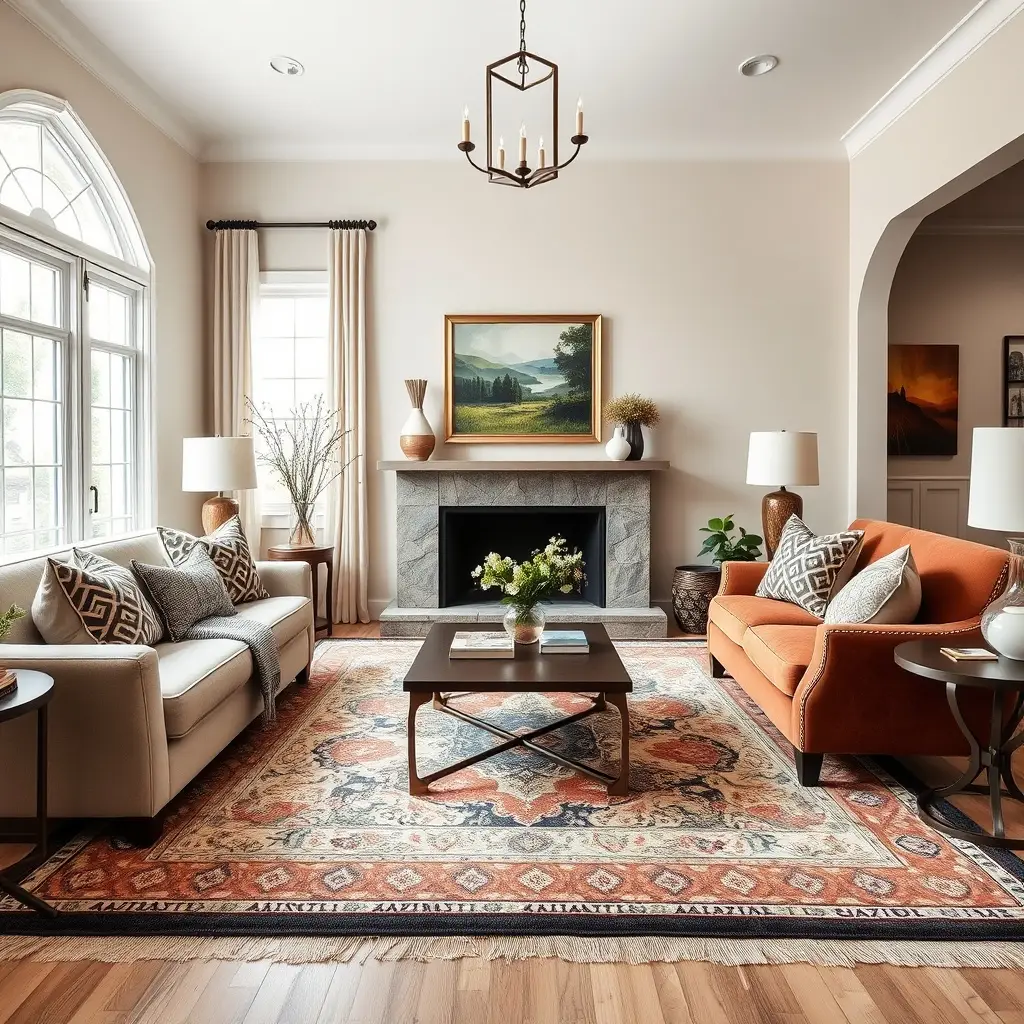
Style Consistency
Your rug should align with your room’s overall design aesthetic:
- Modern/Contemporary: Geometric patterns, solid colors, abstract designs in wool or synthetic fibers
- Traditional: Oriental or Persian patterns, rich colors, wool or silk materials
- Transitional: Subtle patterns, neutral palettes that bridge traditional and modern
- Coastal: Natural fibers, blues and whites, relaxed patterns
- Bohemian: Layered rugs, vibrant patterns, mixed textures
- Minimalist: Solid colors, simple textures, neutral tones
Texture Layering
Consider how your rug’s texture interacts with other room textures. A plush, high-pile rug adds softness to rooms with hard surfaces like leather furniture and wood tables. Flat-weave rugs complement rooms already rich in soft textures.
Scale and Proportion
The rug’s visual weight should balance with furniture scale. Large, substantial furniture pieces require adequately sized rugs to avoid looking top-heavy. Delicate furniture works with smaller or lighter-looking rugs.
What is the Rule for Rugs in a Living Room: Essential Guidelines
Certain fundamental principles guide successful rug selection and placement. Understanding what is the rule for rugs in a living room helps you avoid common mistakes.
The 18-Inch Rule
Ideally, leave 18-24 inches of exposed flooring between the rug edge and the walls. This creates a frame effect and prevents the room from feeling cramped. In smaller spaces, you can reduce this to 8-12 inches while still maintaining visual breathing room.
The Furniture Connection Rule
At minimum, the front legs of major seating pieces should rest on the rug. This creates connection and cohesion. Never float furniture completely off a rug unless using a small accent rug intentionally.
The Coffee Table Rule
Your coffee table should sit entirely on the rug with adequate space around it. Aim for 18-24 inches between the coffee table and surrounding seating to allow comfortable movement.
The Symmetry Rule
When possible, center the rug on the main seating area with equal amounts of rug visible on either side of furniture pieces. Symmetry creates visual calm and intentionality.
The Layering Rule
Layering rugs adds depth and interest. Place a smaller accent rug over a larger neutral base rug, ensuring both are visible and the combination doesn’t create tripping hazards. This works particularly well in bohemian or eclectic spaces.
Budget Considerations and Shopping Tips
Quality rugs represent significant investments, but options exist for every budget.
Setting a Realistic Budget
Quality wool rugs typically cost $800-$3000+ for an 8×10 size. Synthetic options range from $200-$800. Hand-knotted silk or high-end wool rugs can exceed $5000. Determine your budget early and prioritize quality within your price range—a well-made synthetic rug outperforms a poor-quality natural fiber option.
Where to Shop
Explore various retailers to compare prices and quality:
- Specialty rug stores offer expertise and quality but higher prices
- Online retailers provide competitive pricing and convenient shopping
- Home goods stores offer mid-range options with immediate availability
- Estate sales and vintage shops yield unique finds at potential bargains
- Direct importers may offer better pricing on certain rug styles
Quality Indicators
Examine rugs for quality markers: dense, tight weaving; finished edges; consistent coloring; and no chemical odors. Check knot count in hand-knotted rugs (higher is better). Feel the rug’s weight—quality rugs feel substantial.
Testing Before Committing
Whenever possible, test rugs in your space before making final decisions.
Sample Programs
Many retailers offer sample programs, sending small swatches or allowing trial periods. Take advantage of these to see colors in your lighting and against your existing decor.
Return Policies
Understand return policies before purchasing. Some retailers charge restocking fees or don’t accept returns on custom sizes. Factor these considerations into your decision-making process.
Lighting Assessment
View rug samples in your living room at different times of day. Natural morning light, afternoon sun, and evening artificial light all affect how colors appear. What looks perfect in the store might read differently in your home.
Conclusion
Choosing the right area rug for your living room requires balancing aesthetics with practicality, considering size, color, material, pattern, and placement. By understanding your space’s dimensions, your lifestyle needs, and fundamental design principles, you can select a rug that anchors your living room beautifully while serving your practical needs. Take time to measure carefully, consider your options thoroughly, and don’t rush the decision. The perfect rug will transform your living room into a cohesive, comfortable space that reflects your personal style while standing up to daily life. Whether you choose a bold patterned statement piece or a subtle neutral foundation, the right area rug completes your living room, making it a space where you’ll love spending time for years to come.