Living Room Color Trends: How to Refresh Your Space
Understanding Living Room Color Trends for Modern Homes
The world of interior design is constantly evolving, and staying informed about the latest living room color trends can help you create a space that feels both current and timeless. Today’s color palettes emphasize comfort, versatility, and emotional connection, moving away from stark minimalism toward warmer, more inviting schemes that promote relaxation and well-being.
Contemporary living room color trends reflect our desire for spaces that serve multiple purposes—from entertainment hubs to work-from-home offices and peaceful retreats. The colors we choose play a significant role in setting the mood and functionality of these versatile spaces.
Living Room Color Ideas 2025: What’s Trending Now
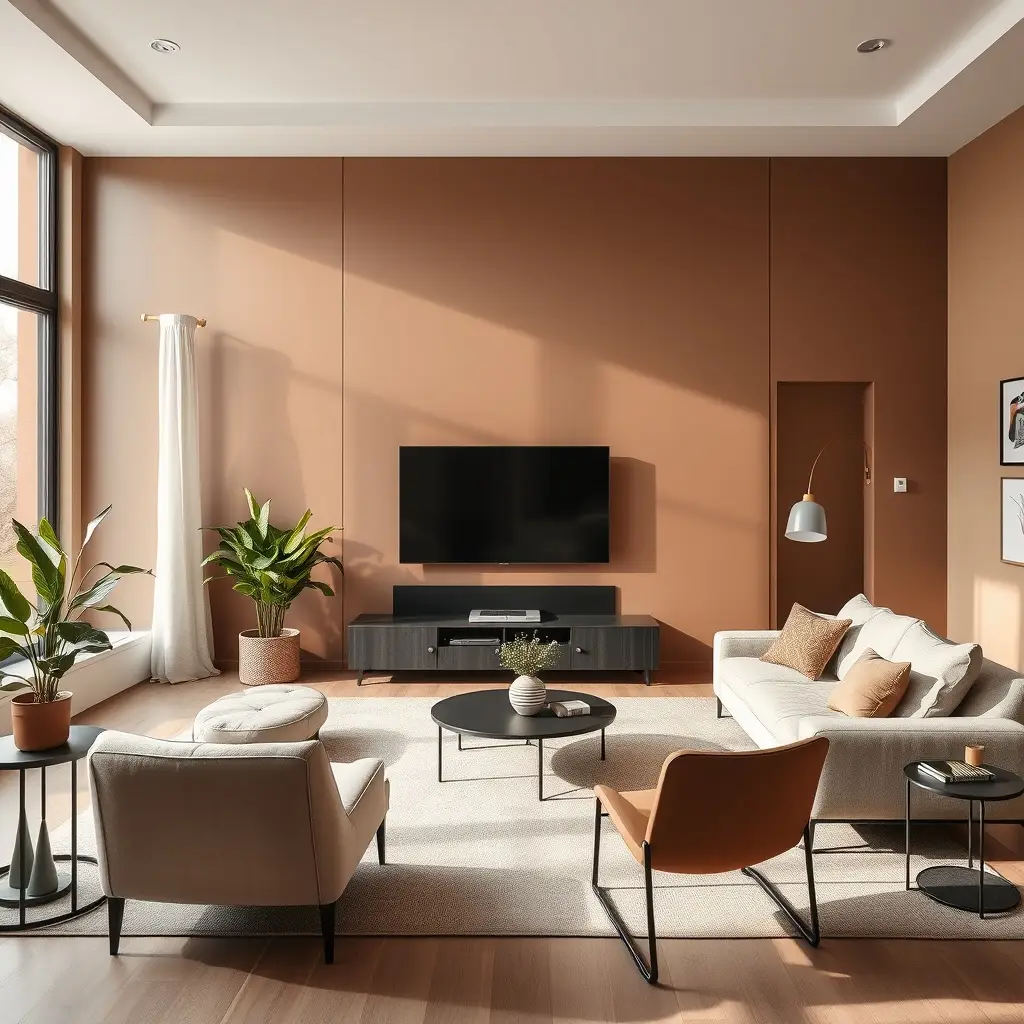
As we look at living room color ideas 2025, several key themes emerge that define the current aesthetic landscape. Warm neutrals continue to dominate, but with a twist—think sophisticated taupes, warm grays, and creamy off-whites that create depth and dimension. These foundational colors provide the perfect backdrop for bolder accent choices.
Earthy tones have made a significant comeback, with terracotta, rust, sage green, and clay colors bringing nature indoors. These organic hues create a grounding effect that helps balance our increasingly digital lives. Jewel tones like emerald green, sapphire blue, and amethyst purple are being used strategically as accent walls or through furnishings to add richness and personality.
Soft, muted pastels have also gained popularity, offering a fresh alternative to bright whites while maintaining an airy, spacious feel. Dusty rose, powder blue, and soft peach create calming environments perfect for unwinding after a busy day.
Beige Living Room Ideas: The Timeless Neutral Reimagined
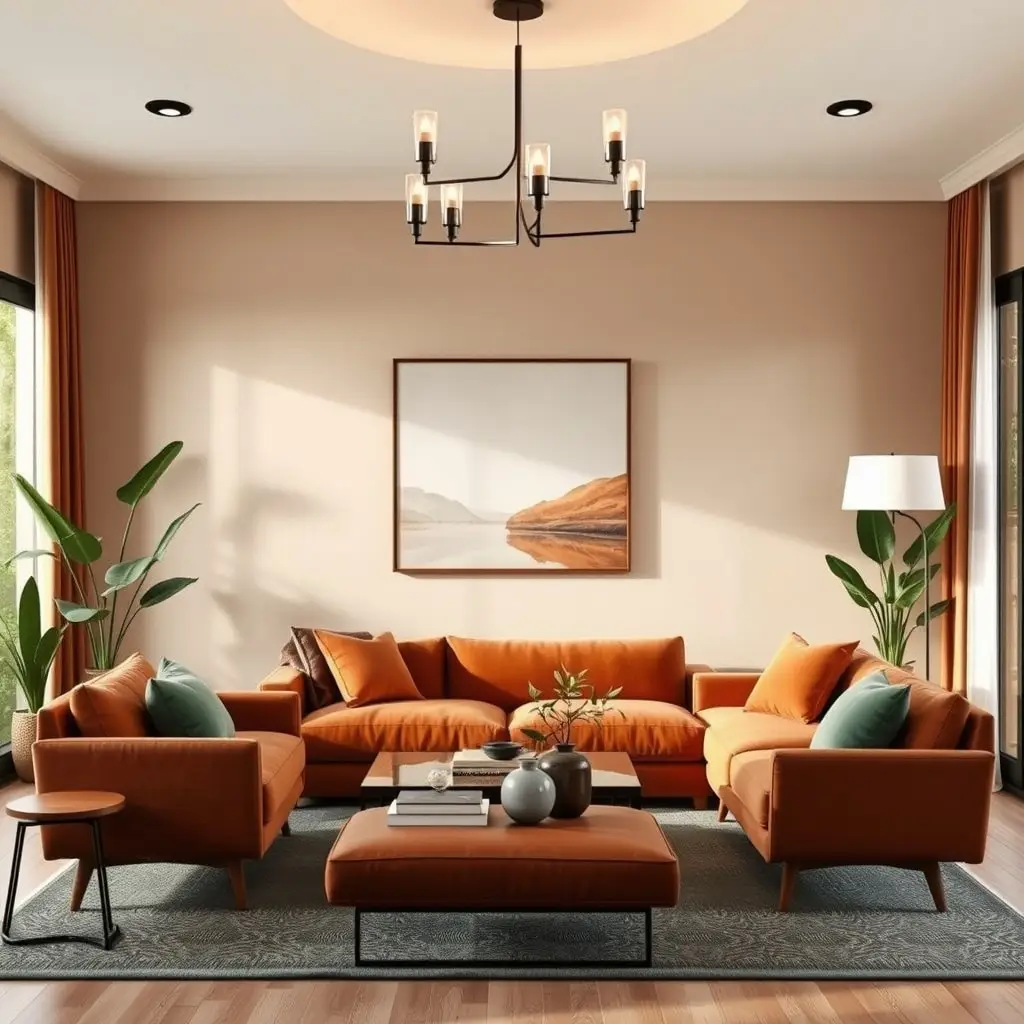
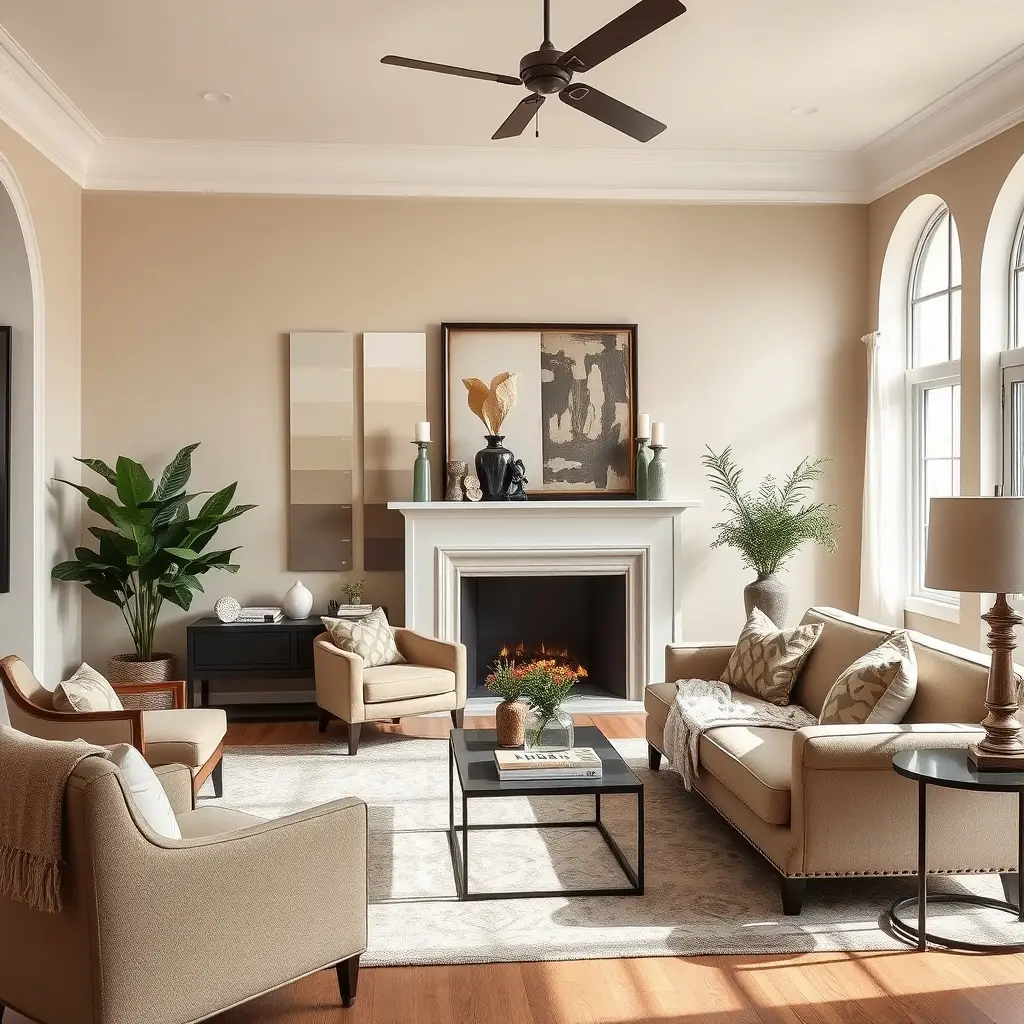
Beige living room ideas have evolved far beyond the boring, builder-grade spaces of the past. Today’s beige is sophisticated, layered, and anything but bland. The key to making beige work in contemporary spaces is understanding its undertones and creating depth through texture and variation.
When working with beige, consider layering different shades from the same family—combine warm honey beiges with cooler greige tones for visual interest. Incorporate texture through materials like linen, wool, rattan, and wood to prevent the space from feeling flat. Beige serves as an excellent foundation that allows you to easily switch out accent colors seasonally or as trends evolve.
The beauty of beige lies in its versatility. It pairs beautifully with virtually any accent color, from bold navy and forest green to soft blush and terracotta. This adaptability makes beige an intelligent choice for those who like to update their decor frequently without repainting entire rooms.
Dulux Living Room Colours: Expert-Selected Palettes
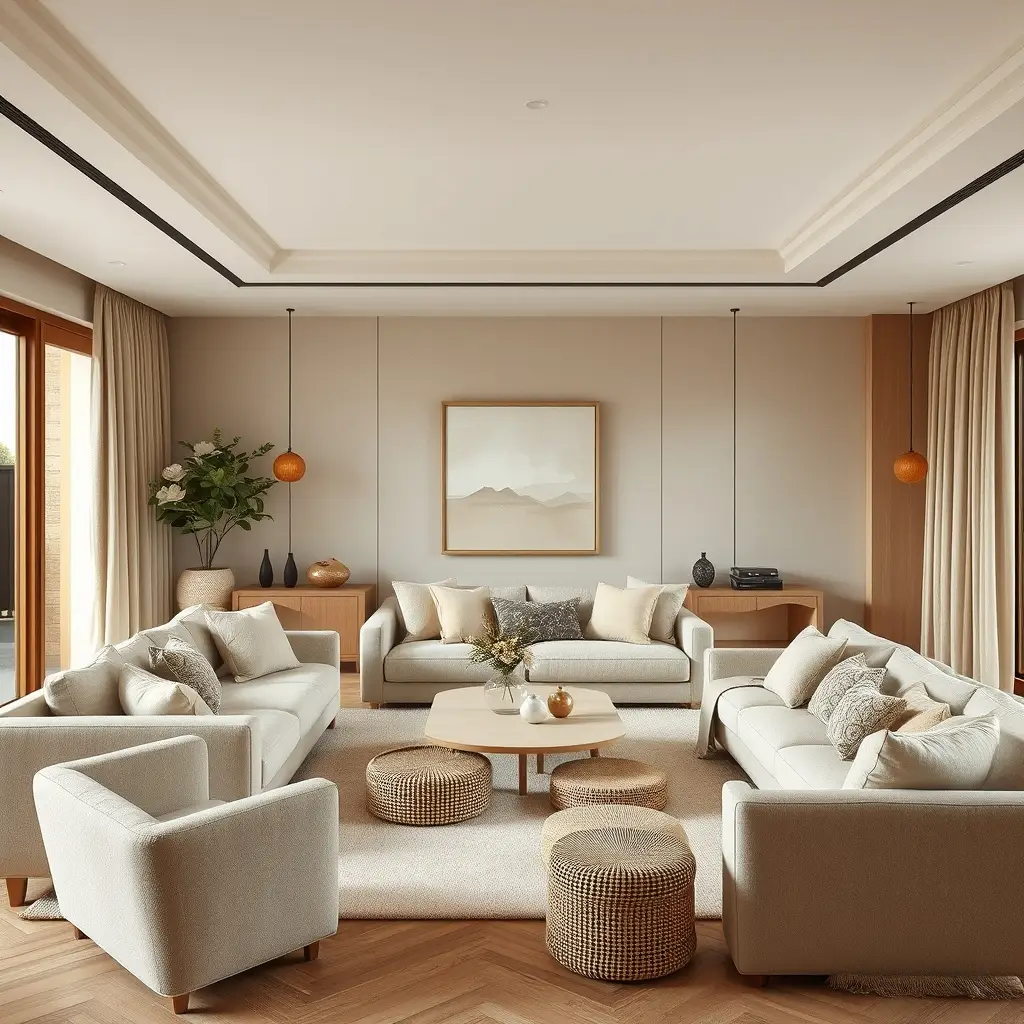
Dulux living room colours consistently reflect well-researched trends that balance innovation with livability. Their curated palettes offer homeowners reliable starting points for color schemes that work harmoniously together. Popular Dulux selections often feature nature-inspired hues that create tranquil, restorative environments.
Some standout Dulux colors include warm neutrals with subtle pink or yellow undertones that add warmth without overwhelming the space. Their earthy greens and blues bring outdoor serenity inside, while deeper charcoals and navy blues create dramatic, cozy atmospheres perfect for entertainment spaces.
When selecting Dulux or any professional paint brand, always test samples in your actual space. Colors appear dramatically different under various lighting conditions, and what looks perfect in the store may not translate the same way in your home.
Living Room Paint: Application Tips for Professional Results
Choosing the right living room paint extends beyond color selection—the finish and application method significantly impact the final result. For living rooms, eggshell or satin finishes work best, offering durability and easy cleaning while maintaining a sophisticated appearance that doesn’t highlight wall imperfections.
Before painting, proper preparation is essential. Clean walls thoroughly, fill any holes or cracks, and apply primer if you’re making a dramatic color change or painting over dark colors. Consider the room’s architectural features—crown molding, baseboards, and built-in shelving can be highlighted or downplayed depending on your color choices.
Don’t forget the ceiling, often called the fifth wall. While white remains popular, painting ceilings in soft, lighter versions of your wall color can create a cohesive, enveloping effect that makes rooms feel more intimate and finished.
Colour Ideas for Living Room with Grey Sofa: Perfect Pairings
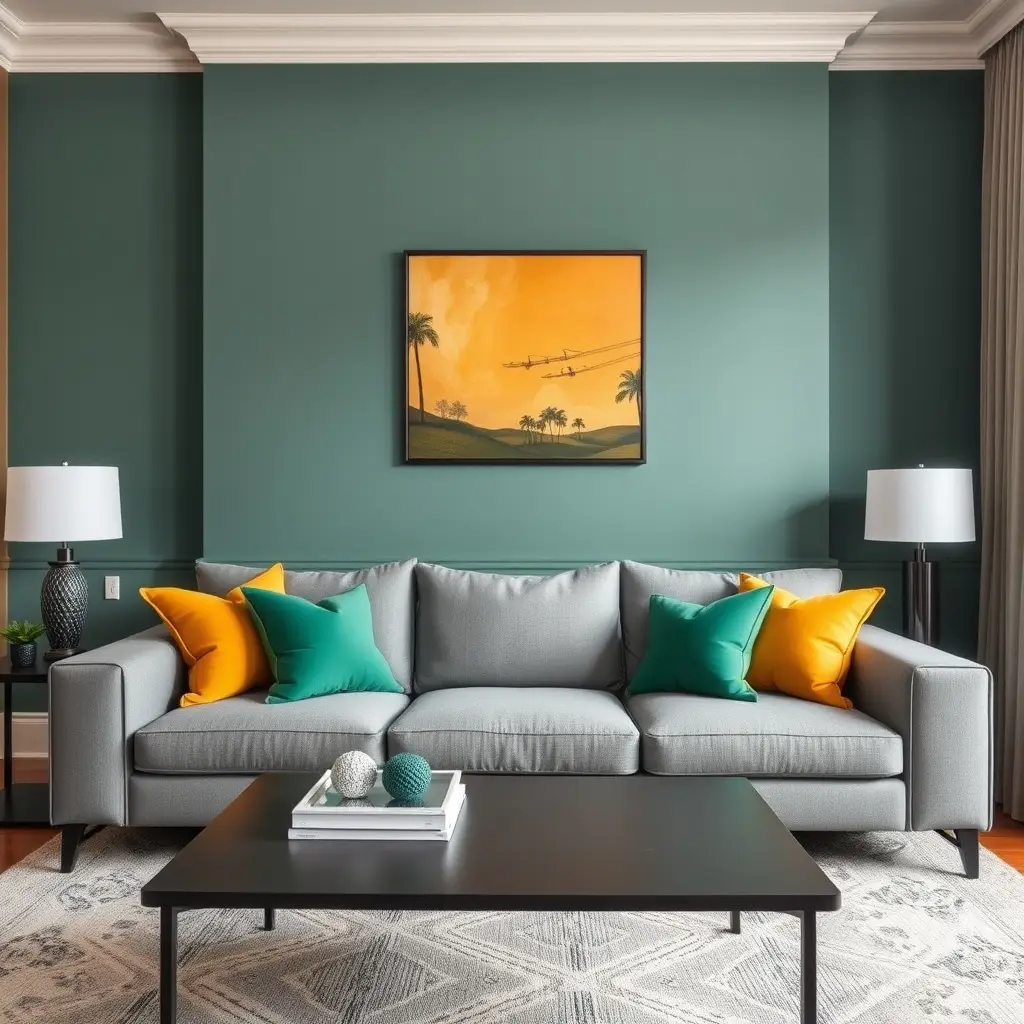
If you’re looking for colour ideas for living room with grey sofa, you’re working with one of the most versatile foundational pieces in interior design. Grey sofas range from cool blue-grays to warm charcoal, and identifying your sofa’s undertone helps determine complementary wall colors.
For cool-toned grey sofas, consider pairing them with soft blues, crisp whites, or even lavender for an unexpected but harmonious combination. These colors enhance the sophisticated, modern feel of grey while preventing the space from feeling cold.
Warm grey sofas pair beautifully with beige, cream, warm white, or even soft blush walls. These combinations create inviting, cozy spaces perfect for relaxation. For those wanting more drama, deep navy, forest green, or charcoal walls can create stunning contrast while maintaining elegance.
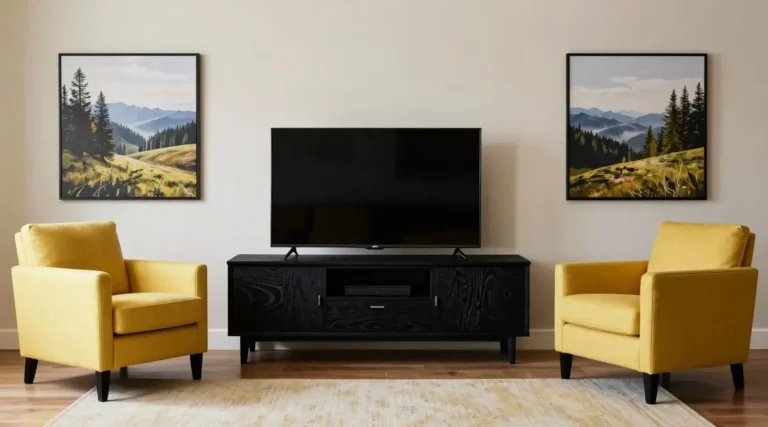
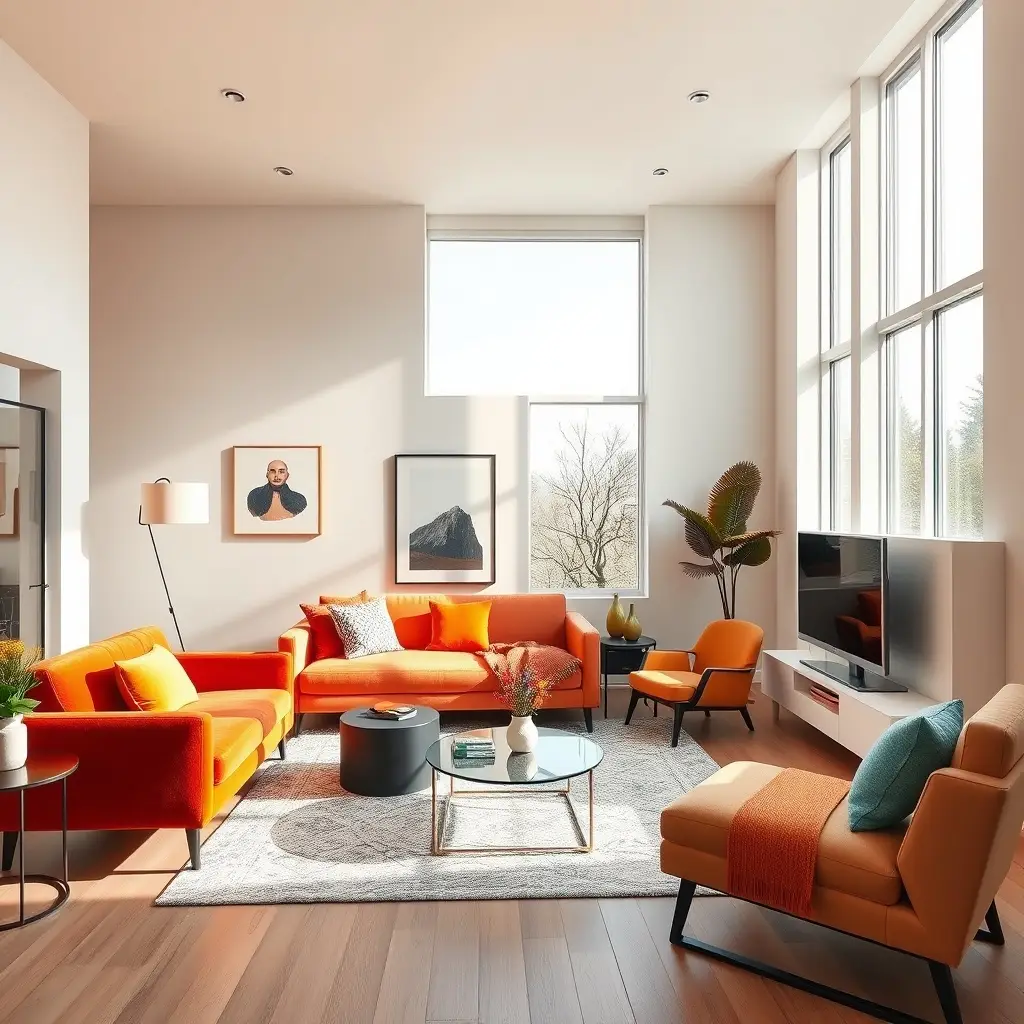
Accent colors bring grey-based rooms to life. Mustard yellow, burnt orange, emerald green, and coral all pop beautifully against grey without overwhelming the space. Use these bolder hues in pillows, artwork, throws, and decorative accessories for easy updates.
Living Room Colour Ideas Pinterest: Translating Inspiration to Reality
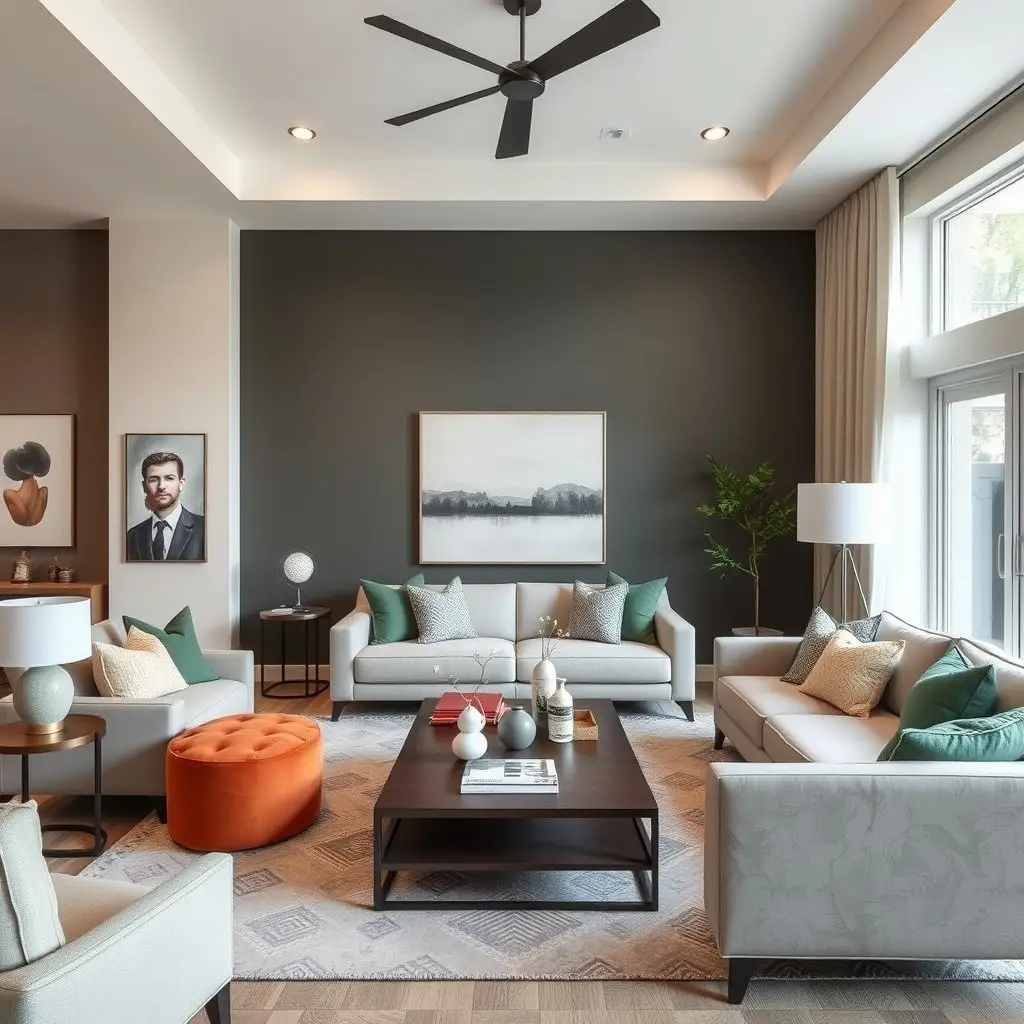
When browsing living room colour ideas Pinterest for inspiration, you’ll find endless beautiful images that can spark creativity. However, translating Pinterest-perfect rooms to your actual space requires thoughtful consideration of your home’s unique characteristics.
Pinterest trends often showcase specific styles—from Scandinavian minimalism to bohemian maximalism. Identify which aesthetic resonates with you, then adapt the color schemes to fit your existing architecture, lighting, and lifestyle needs. Don’t feel pressured to recreate a Pinterest room exactly; instead, extract the elements that speak to you and blend them with your personal preferences.
Pay attention to how Pinterest rooms use the 60-30-10 rule: 60% dominant color (usually walls), 30% secondary color (upholstery, curtains), and 10% accent color (accessories, artwork). This professional design principle creates balanced, cohesive spaces that feel intentional rather than chaotic.
How to Choose Living Room Colors That Work for You
Many homeowners wonder how to choose living room colors that will stand the test of time while reflecting current trends. Start by assessing your room’s natural light—north-facing rooms benefit from warm colors to counteract cool natural light, while south-facing rooms can handle cooler tones without feeling cold.
Consider your existing furniture, flooring, and fixed elements. Your color scheme should complement rather than clash with these pieces unless you’re planning a complete overhaul. Look at the undertones in your wood floors, stone fireplace, or built-in cabinetry, and select paint colors that harmonize with these permanent features.
Think about the mood you want to create. Do you want your living room to feel energizing and social or calm and restorative? Warmer colors like reds, oranges, and yellows create energy and warmth, while cooler blues, greens, and purples promote tranquility and focus.
What Are the Current Trends in Living Room Colors?
Understanding what are the current trends in living room colors helps inform your design decisions without dictating them entirely. Current trends emphasize biophilic design—bringing nature indoors through organic color palettes. This includes everything from soft sage and olive greens to warm terracotta and sandy beiges that mimic natural landscapes.
Layered neutrals remain incredibly popular, moving beyond single-color walls to incorporate multiple neutral tones throughout the space for depth and sophistication. This approach creates visual interest without relying on bold color contrasts.
Sustainability-minded colors also trend strongly, with natural, earthy pigments taking precedence over synthetic-looking brights. These colors not only look beautiful but also create psychologically comforting environments that feel grounded and authentic.
What Is the Color Rule for Living Rooms?
When considering what is the color rule for living rooms, the 60-30-10 rule provides the most reliable framework. This classic design principle suggests using your dominant color for 60% of the room (typically walls), a secondary color for 30% (upholstery, curtains, large furniture), and an accent color for the remaining 10% (pillows, artwork, accessories).
This rule creates visual balance and prevents color overwhelm while ensuring enough variety to keep the space interesting. However, rules are meant to be guidelines rather than rigid requirements—feel free to adjust proportions based on your personal preferences and the specific characteristics of your space.
Which Color Is Best Suited for a Living Room?
The question of which color is best suited for a living room doesn’t have a single answer, as the ideal choice depends on your specific circumstances. However, warm neutrals consistently perform well across different styles, lighting conditions, and furniture choices. Colors like greige (gray-beige hybrids), warm taupe, and creamy off-white provide versatile foundations that accommodate various decor styles.
For those wanting more color, soft sage green has emerged as a universally flattering choice that brings nature indoors while maintaining sophistication. It works beautifully in both traditional and contemporary settings and pairs well with wood tones, metallics, and other neutrals.
How Many Colors Should a Living Room Have?
Determining how many colors should a living room have requires balancing visual interest with cohesion. Most successful living rooms incorporate three to five colors when you count the dominant wall color, secondary furniture colors, and accent hues. This range provides enough variety to create depth without overwhelming the senses.
Remember that different shades of the same color family count as variations rather than entirely different colors. A monochromatic scheme using multiple shades of blue, for example, can be just as interesting as a scheme incorporating blue, beige, and coral.
Which Color Never Goes Out of Style?
For those seeking longevity, which color never goes out of style is an important consideration. Classic neutrals—particularly warm whites, soft grays, and beiges with balanced undertones—have proven their staying power across decades of design trends. These colors provide timeless elegance that transcends fleeting fashions.
Navy blue also maintains enduring appeal, offering richness and sophistication that works in both traditional and modern contexts. Similarly, soft whites with warm undertones create bright, airy spaces that never feel dated, making them excellent investments for homeowners planning to stay in their homes long-term.
Implementing Your Color Refresh: Practical Steps
Once you’ve selected your living room color trends, implementation requires strategic planning. Start small if you’re nervous about commitment—paint one accent wall or introduce your new color through easily changeable elements like pillows, throws, and artwork before committing to full-room painting.
Gather large paint samples and observe them at different times of day. Morning, afternoon, and evening light dramatically affect how colors appear, so give yourself at least 48 hours to observe samples before making final decisions.
Consider the flow between rooms. While each space can have its own personality, maintaining some color continuity between connected areas creates a cohesive home that feels intentionally designed rather than randomly decorated.
Maintaining Your Refreshed Space
After investing time and effort into updating your living room colors, maintaining that fresh appearance ensures your space continues looking its best. Regular cleaning prevents dirt buildup that can dull even the most beautiful paint colors. Address scuffs and marks promptly to keep walls looking pristine.
Plan to refresh paint every five to seven years, or sooner in high-traffic areas. This timeline allows you to update colors as your tastes evolve while maintaining a well-kept appearance that protects your investment.
Your living room should evolve with you, reflecting your changing preferences while maintaining the comfort and functionality you need. By understanding current living room color trends and applying them thoughtfully to your unique space, you create an environment that feels both contemporary and personally meaningful—a true reflection of home.