
Choosing Living Room Furniture Based on Your Style
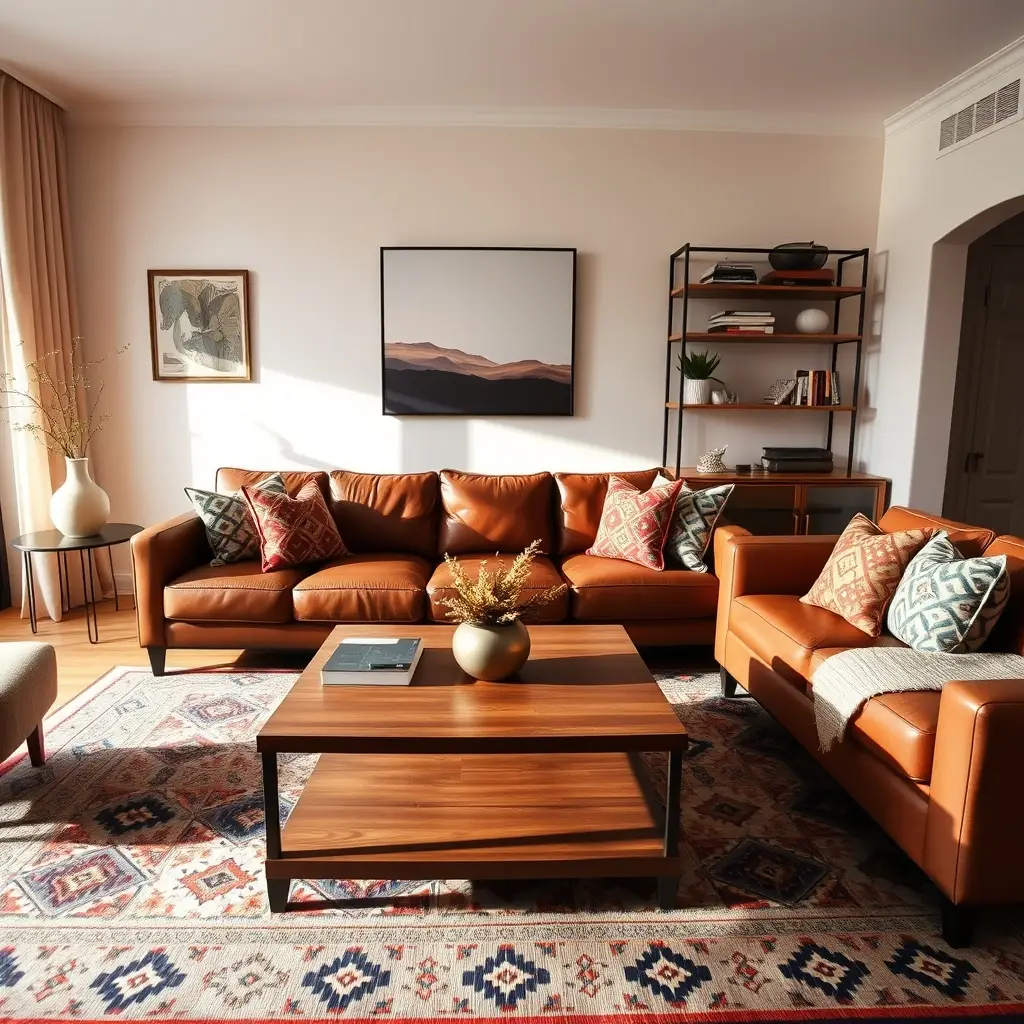
Choosing Living Room Furniture Based on Your Style
Your living room is the heart of your home – a place where style meets comfort. Selecting furniture that reflects your personality while serving everyday needs requires understanding how different aesthetics shape design choices. This guide helps you navigate furniture options tailored to popular interior design styles.
Why Your Personal Style Matters in Furniture Selection
Your living room furniture sets the tone for your entire home. Choosing pieces aligned with your preferred style ensures visual harmony while creating spaces that feel authentically yours. Whether you crave sleek modern lines or cozy traditional charm, every style has distinct characteristics to consider.

Modern Furniture Style
Key Characteristics
Modern design (mid-20th century origins) emphasizes clean lines, minimal ornamentation, and functional forms. Think open spaces with intentional furniture placement and geometric shapes.
Key Furniture Pieces
- Low-profile sofas with tapered legs
- Modular sectionals in neutral tones
- Geometric coffee tables (glass/metal/wood)
- Floating media consoles
Materials and Colors
Prioritize smooth surfaces like leather, polished metals, lacquered wood, and concrete. Stick to monochromatic palettes with strategic pops of primary colors.

Contemporary Furniture Style
Key Characteristics
Contemporary refers to current design trends, often blending modern minimalism with softer curves. Spaces feel airy with emphasis on innovative materials and organic shapes.
Key Furniture Pieces
- Curved-back sofas in plush fabrics
- Oval or asymmetrical coffee tables
- Bold statement chairs
- Multi-functional storage ottomans
Materials and Colors
Experiment with mixed materials like boucle fabric, brushed brass, and smoked glass. Neutrals serve as foundations complemented by earthy tones or moody jewel hues.

Traditional Furniture Style
Key Characteristics
Rooted in European sensibilities, traditional design features formal symmetry, rich detailing, and timeless elegance. Rooms feel layered with classic architecture.
Key Furniture Pieces
- Roll-arm Chesterfield sofas
- Carved wooden coffee tables
- Display cabinets with glass doors
- Wingback accent chairs
Materials and Colors
Opt for dark woods like mahogany or cherry, luxe velvets, and damask patterns. Warm neutrals contrast with deep greens, burgundies, or gold accents.

Rustic Furniture Style
Key Characteristics
Rustic design celebrates natural imperfections and organic textures. Raw materials showcase craftsmanship while creating cozy, welcoming atmospheres.
Key Furniture Pieces
- Overstuffed leather sofas
- Reclaimed wood coffee tables
- Log-frame armchairs
- Tree stump side tables
Materials and Colors
Embrace distressed woods, exposed beams, chunky knits, and wrought iron. Earth tones like forest green, burnt orange, and brown dominate with subtle plaid accents.

Industrial Furniture Style
Key Characteristics
Industrial design draws inspiration from converted warehouses, pairing raw functionality with urban edge. Exposed structural elements create striking visual impact.
Key Furniture Pieces
- Metal-frame leather couches
- Pipe shelving units
- Concrete-topped dining tables
- Vintage factory carts as coffee tables
Materials and Colors
Combine weathered metals, distressed leather, untreated wood, and concrete. Neutral palettes featuring black, gray, and rust accents unify the look.

Bohemian Furniture Style
Key Characteristics
Bohemian interiors embrace colorfully layered eclecticism. This free-spirited approach mixes global patterns, vintage finds, and abundant textiles.
Key Furniture Pieces
- Low-slung sectional sofas
- Moroccan poufs
- Rattan peacock chairs
- Vintage trunk coffee tables
Materials and Colors
Layer kilim rugs, macrame hangings, embroidered cushions, and beaded curtains. Embrace jewel tones like teal, rust, and mustard with metallic accents.

Minimalist Furniture Style
Key Characteristics
Minimalist living rooms prioritize purposeful essentials over decoration. Every piece serves a function while contributing to serene, uncluttered spaces.
Key Furniture Pieces
- Platform sofas with clean silhouettes
- Nesting coffee tables
- Hidden storage benches
- Simple floating shelves
Materials and Colors
Stick to smooth surfaces like linen, light woods, and matte metals. White walls serve as canvases with occasional black or muted pastel accents.
Scandinavian Furniture Style
Key Characteristics
Scandinavian design blends minimalist functionality with cozy textures. Airy rooms maximize natural light through pale colors and streamlined forms.
Key Furniture Pieces
- Modular sofas with washable covers
- Light wood console tables
- Sheepskin lounge chairs
- Tripod floor lamps
Materials and Colors
Light-toned woods like ash or birch pair with wool throws and ceramic accessories. Crisp whites soften with pale blues, soft grays, or blush pinks.
How to Mix Furniture Styles Without Clashing
- Anchor with a dominant style (70% of furniture)
- Add secondary style accents (20%)
- Incorporate unifying elements like consistent metal finishes
- Use rugs to define cohesive zones
- Repeat colors across mixed pieces
Final Tips for Investing in Living Room Furniture
Measure twice: Note room dimensions and doorways before purchasing
Prioritize comfort: Test seat depths and cushion firmness
Check quality: Inspect joinery, fabric rub counts, and frame materials
Plan layouts: Allow 18″ between coffee tables and seating
Layer lighting: Combine overhead, task, and accent sources
Your living room furniture should reflect who you are while meeting daily needs. By understanding the core elements of each style, you can create spaces that look curated yet comfortable – perfectly tailored to your lifestyle.
